New Zealand’s nightlife offers two distinct experiences: traditional bars with craft cocktails and live music, and gaming lounges combining drinks with electronic pokies. Both have carved out their place in Kiwi culture, but they cater to very different preferences. Understanding these differences helps you choose the right venue for your night out.
Traditional Bars: The Classic Kiwi Experience
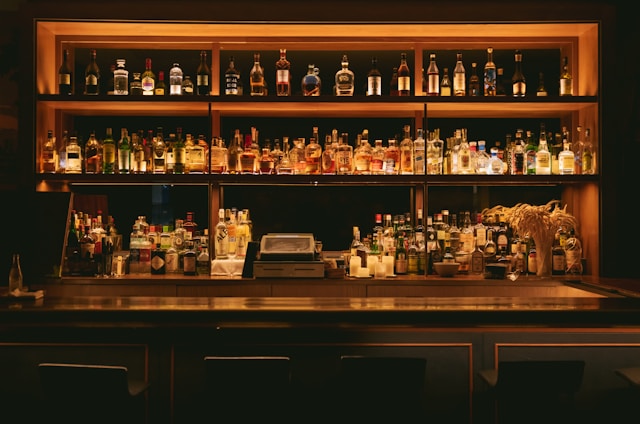
Traditional bars like Boo Radley’s in Christchurch or Wellington’s Cuba Street venues prioritize atmosphere, quality beverages, and social connection. These spaces are designed specifically for human interaction, with dim lighting, carefully curated music, and thoughtful interior design that encourages conversation.
Bartenders craft cocktails with precision, often featuring local spirits and seasonal ingredients. The Scarlett O’Hara cocktail at Boo Radley’s exemplifies this approach, blending Southern Comfort with cranberry juice and lime to create a signature drink. Many bars offer extensive craft beer selections, curated wine lists, and elevated pub fare or tapas-style small plates that complement the drinking experience.
Entertainment comes from live music performances, DJ sets, open mic nights, or classic diversions like pool tables and dartboards. The goal is always to enhance the social experience rather than replace it. Traditional bars attract after-work professionals, friends celebrating occasions, couples on date nights, and music enthusiasts. These venues thrive in urban centers like Auckland’s Britomart district, Wellington’s Cuba Street, and Christchurch’s Victoria Street.
Gaming Lounges: The Hybrid Entertainment Model
Gaming lounges offer a different approach, combining full bar service with electronic gaming machines under Class 4 gaming licenses. In New Zealand, these venues must operate through community trusts, with a portion of gaming revenue returning to local communities through grants and funding.
The layout typically features distinct zones: a bar and social area with seating, dining, and sports screens, plus a separate gaming room with pokies. This segmented design maintains different atmospheres while meeting regulatory requirements. Gaming lounges tend to occupy suburban locations, serving residential communities with extended hours and casual, utilitarian atmospheres prioritizing functionality over design.
While land-based gaming lounges remain popular, many Kiwis have shifted toward online pokies nz casinos that offer similar gaming experiences from home. These digital alternatives provide hundreds of pokie games accessible 24/7 without requiring travel to physical venues. Online platforms typically offer welcome bonuses, loyalty programs, and wider game variety than land-based lounges, though they lack the social atmosphere and community funding model of brick-and-mortar establishments. This growing online gaming sector has influenced how traditional gaming lounges operate, with some venues adapting by emphasizing their social and dining experiences to compete with the convenience of digital alternatives.
Food and beverage pricing is often more competitive than traditional bars, subsidized by gaming revenue. A beer costing twelve dollars at a city bar might cost eight dollars at a suburban gaming lounge. The diverse audience includes casual gamblers, sports fans, and local residents seeking affordable neighborhood gathering spots. Some patrons ignore the gaming entirely, attracted by convenient locations and reasonable meal prices.
The Key Differences
Atmosphere: Traditional bars create carefully crafted environments encouraging social interaction through music, lighting, and decor. Gaming lounges segment spaces for different purposes, with bar areas feeling pub-like and gaming sections operating as quieter, individually focused zones.
Entertainment Focus: Traditional bars center on social interaction through conversation, live music, and participatory activities. Gaming lounges offer individual entertainment through pokies, though social elements exist in sports viewing and dining together.
Social Dynamics: Traditional bars naturally encourage group interaction and communal experiences. Gaming lounges accommodate both social groups and individuals pursuing separate activities, offering flexibility that can fragment the social experience.
Pricing: Traditional bars charge premium prices reflecting quality ingredients and urban locations. Gaming lounges offer competitive pricing on food and drinks, though this may reflect differences in product quality and selection.
Location: Traditional bars cluster in urban entertainment districts with high foot traffic. Gaming lounges predominantly occupy suburban residential areas, creating geographic divides in access to different entertainment types.
Community Impact: Traditional bars contribute to cultural vibrancy and live music scenes. Gaming lounges contribute community funding through mandated trust systems but face criticism regarding gambling harm. Many councils have implemented “sinking lid” policies limiting gaming venue expansion.
Pros, Cons & What to Expect
Traditional Bars
Pros: High-quality drinks and food, pure social experience, live entertainment, thoughtful atmosphere and design, supports local music and culture.
Cons: Higher prices, limited entertainment variety beyond socializing, concentrated in urban areas requiring travel from suburbs.
What to Expect: Straightforward entry with ID verification, order drinks at the bar (tipping not customary in NZ), seating may be limited during peak hours, social atmosphere encourages conversation.
Gaming Lounges
Pros: Multiple entertainment options, affordable pricing, extended hours, comfortable spaces, community funding contributions, accommodates diverse interests.
Cons: Gambling harm risks, segmented atmosphere, less design focus, social stigma for some, regulatory restrictions.
What to Expect: ID required (18+ for gaming), some venues need membership registration, separate bar and gaming areas, pokies are random-outcome machines accepting cash or card, responsible gaming features and support information visible throughout.
Responsible Entertainment
Regardless of venue type, practice responsible consumption. In traditional bars, know your alcohol limits and arrange safe transportation. In gaming lounges, set strict spending limits before playing pokies and recognize warning signs of problem gambling like chasing losses or spending beyond means. New Zealand’s Gambling Helpline offers free, confidential support 24/7 at 0800 654 655.
Conclusion: Which One is Right for You?
New Zealand’s entertainment landscape accommodates both traditional bars and gaming lounges, each serving different needs. Traditional bars suit those prioritizing social connection, quality beverages, and cultural experiences—ideal for date nights, celebrations, or enjoying craft cocktails and live music in urban settings.
Gaming lounges appeal to patrons wanting entertainment variety, value pricing, and flexible options. They serve suburban communities while contributing to local funding through the trust system, accommodating mixed groups with different interests.
Many Kiwis enjoy both venue types for different occasions. A Friday night might call for craft cocktails at a traditional bar, while a casual Sunday suits watching rugby at a gaming lounge. Whatever your preference, approach entertainment responsibly and make informed choices supporting your wellbeing and community. From Wellington’s sophisticated cocktail bars to suburban Auckland’s comfortable gaming lounges, New Zealand’s diverse nightlife offers something for everyone.